Your loyal partner
Processing raw materials into specification-compliant aggregates hinges on selecting the right screening equipment. Whether you operate a quarry, construction site, or recycling facility, a clear understanding of different screening plant types is the key to producing aggregates that meet strict industry standards, rather than falling short of quality requirements.
These specialized machines work in tandem to separate, clean, and classify materials by size, ensuring the final products satisfy the rigorous demands of modern construction and infrastructure projects. Against the backdrop of increasingly stringent quality specifications and the pursuit of operational efficiency, choosing equipment tailored to your specific application has become more critical than ever for aggregate producers.
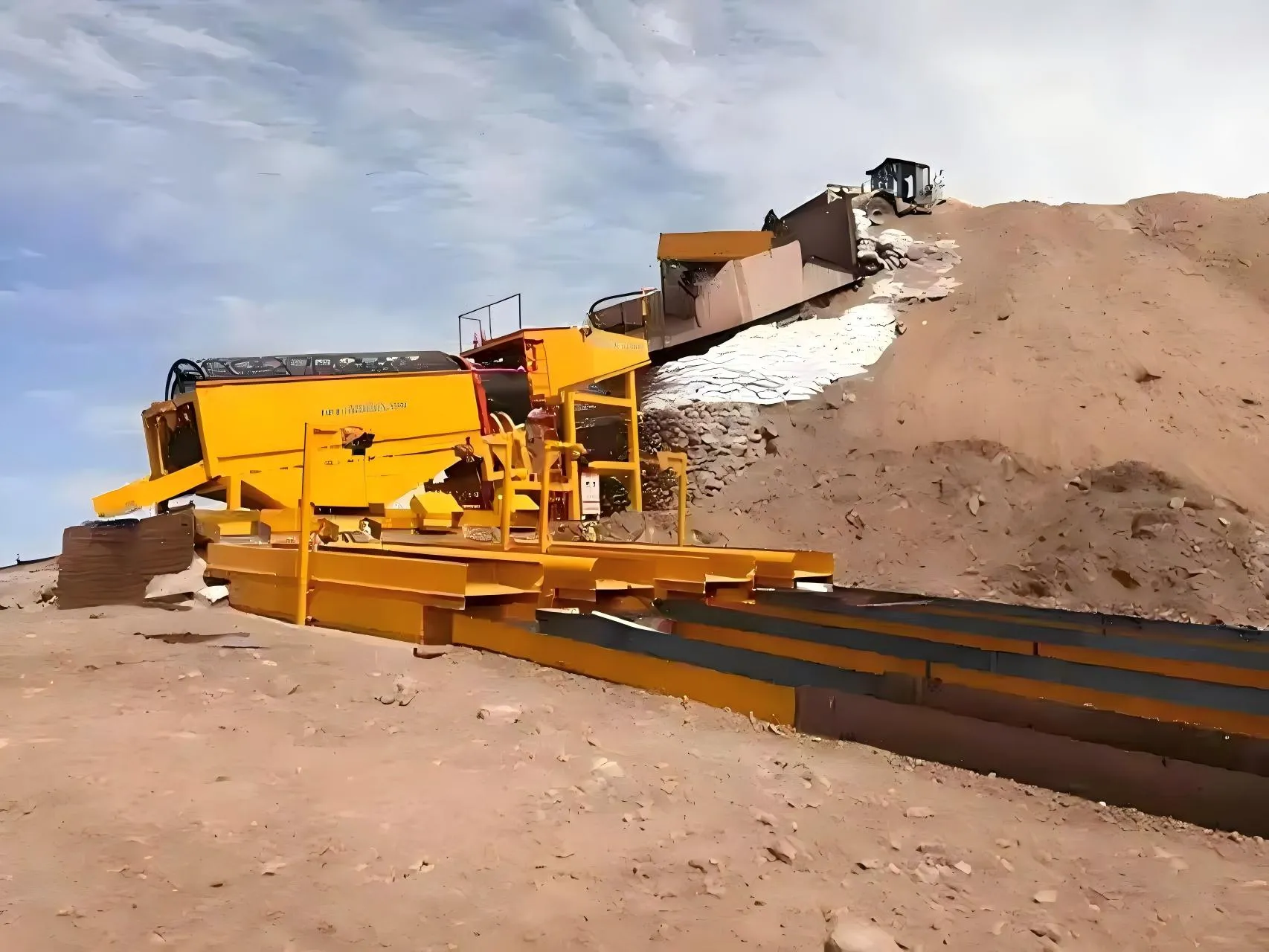
Scalping screens act as the “gatekeeper” in aggregate processing lines, undertaking the critical task of initial material sorting to protect downstream equipment.
Powered by vigorous vibration, these robust systems rapidly separate materials into different size ranges, primarily removing oversized debris, wet clumps, and sticky impurities that could cause wear, clogging, or damage to subsequent crushers and screens. Most scalping screens are fitted with grizzly bars spaced at preset intervals to control material passage. This design prioritizes fast throughput over precise sizing—while it efficiently filters out problematic materials, the sorted output may not be uniform across all dimensions.
As a preprocessing tool focused on speed rather than precision, scalping screens rarely serve as final-stage equipment. Instead, they prepare raw materials for more refined screening and processing steps.
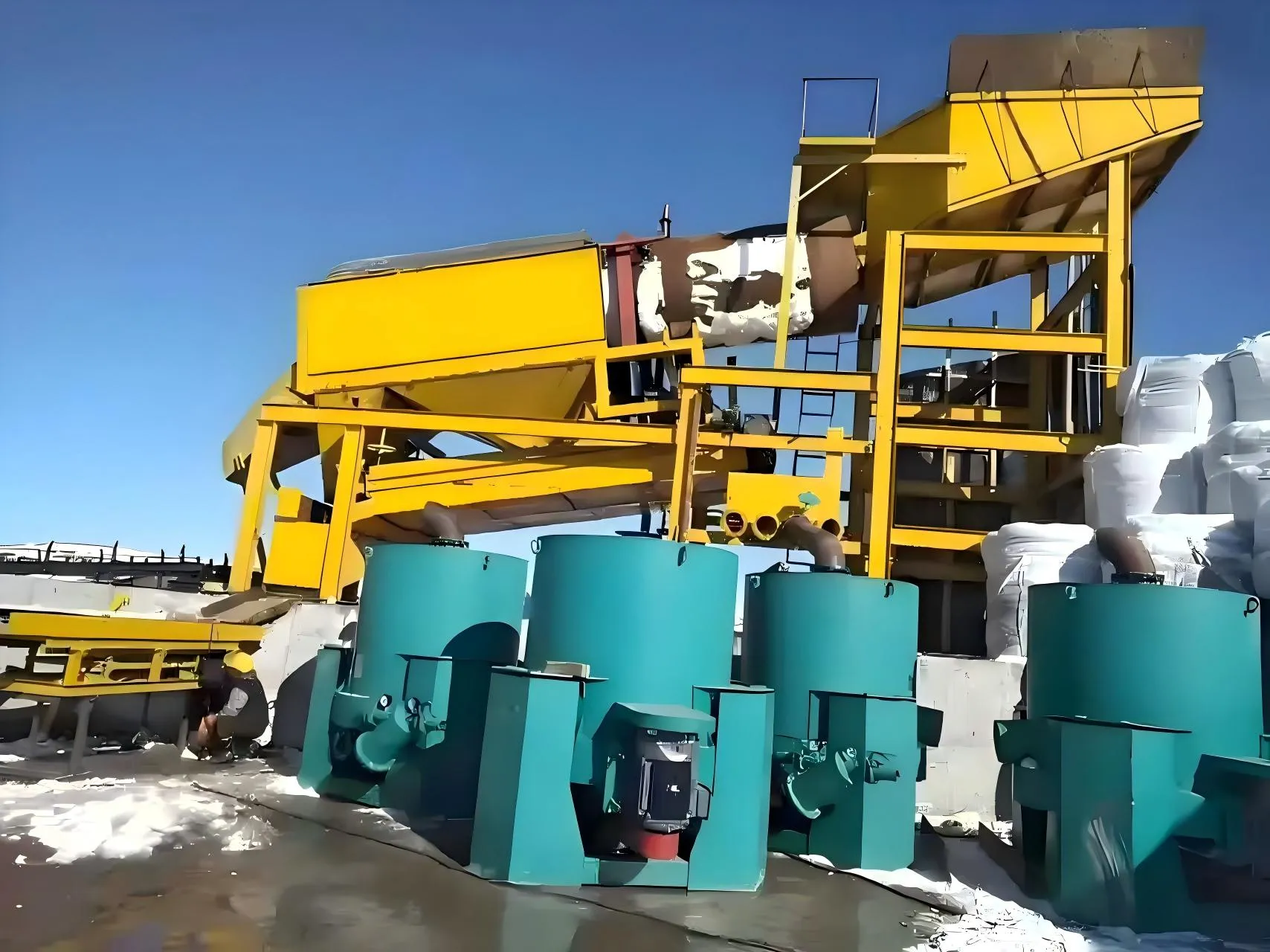
When the quality of the final product is non-negotiable, precision screens deliver the accuracy needed to produce aggregates that meet strict industry standards.
Unlike scalping screens, precision screening systems stand out for three core design features:
The controlled screening action guides materials to orient uniformly before passing through the screen openings, resulting in aggregates with consistent sizing across length, width, and height dimensions. This high precision comes at the cost of reduced throughput compared to scalping screens, making precision screens ideal for final product finishing rather than initial material sorting. The output of these screens is ready-to-sell aggregates that fully comply with construction and infrastructure project specifications.
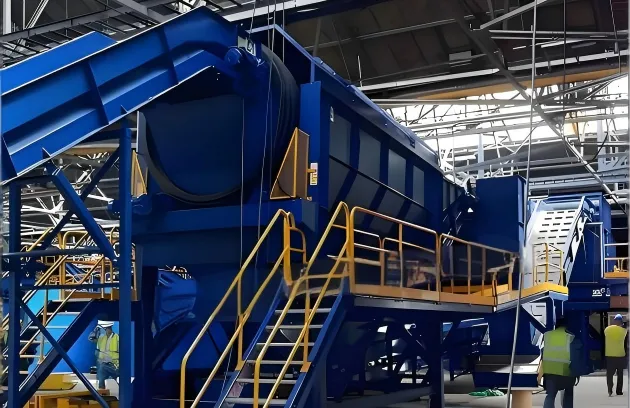
Trommel screens feature a rotating cylindrical drum—similar in structure to a household clothes dryer—with perforated walls that allow small-sized materials to fall through while retaining larger particles. Equipped with internal spiral structures, these drums gently move materials through the system, ensuring every particle is fully exposed to the screening surface for thorough separation.
This versatile screening solution excels in the following applications:
Their gentle tumbling action makes trommel screens particularly suitable for handling fragile materials that would be damaged by the aggressive vibration of scalping or precision screens. Additionally, they can effectively process high-moisture materials and irregularly shaped particles that tend to clog conventional flat-screen systems.
Unsure which screening plant suits your production needs? Contact our technical team for free customized equipment recommendations!