Gravity concentration leverages the differential settling velocities of particles in a fluid medium—typically water. For efficient separation, two fundamental conditions must be met:
Liberation: Gold particles must be physically separated from the host rock matrix.
Density Difference: There must be a significant specific gravity gap between the valuable mineral (gold) and gangue (waste rock).
Gold ores generally exhibit a high Concentration Criterion (CC), making gravity concentration an effective initial processing stage. A key advantage is its low operating costs (OPEX), as it eliminates the need for chemical reagents such as cyanide or xanthate.
2. Processing Placer Gold Deposits: Washing and Screening
Placer gold processing focuses on extracting gold particles already liberated through natural erosion. The primary operational challenges in such deposits are the presence of cohesive clay and wide variations in particle size distribution.
2.1 Placer Gold Gravity Concentration Process
2.1.1 Clay Disintegration (Scrubbing)
Most placer deposits contain cohesive clay. Failure to break down this clay results in agglomerates (referred to as “clay balls”) that encapsulate gold particles, carrying them into tailings streams.
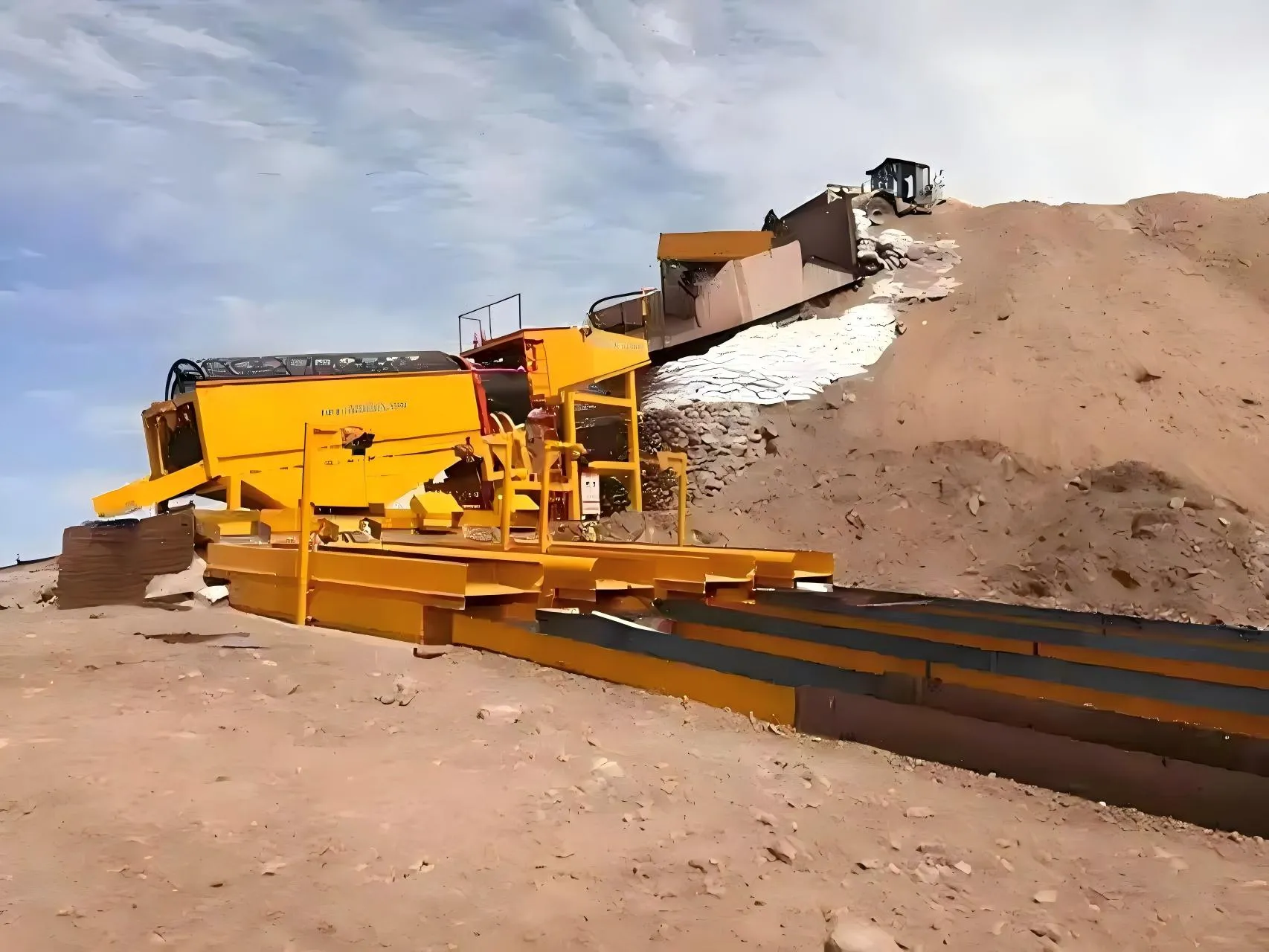
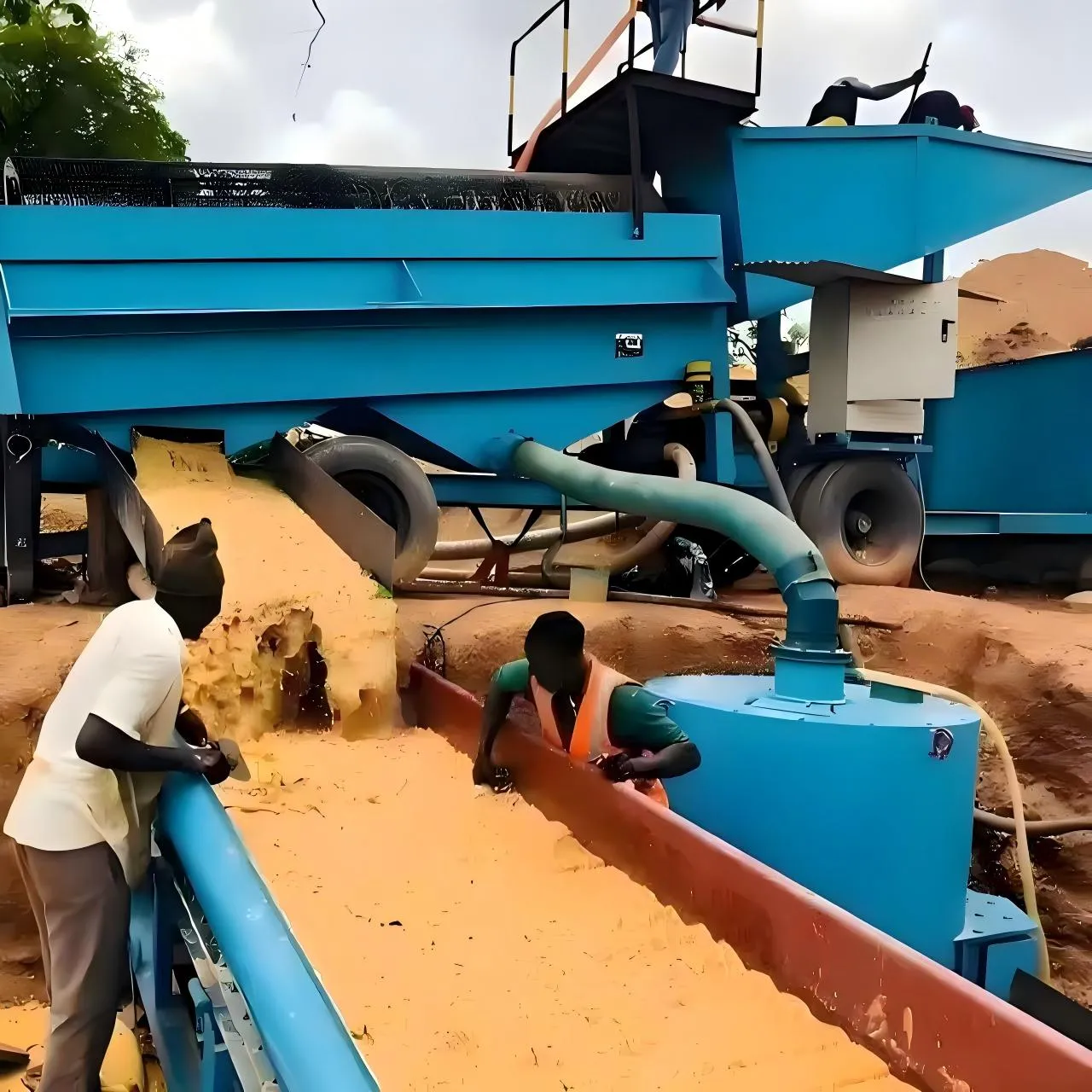
Solution: Utilize trommel scrubbers or log washers. These machines combine mechanical agitation with water pressure to disintegrate clay into a slurry, releasing gold particles for subsequent recovery.
Operational Note: Simple screening is inadequate for high-clay ores. Mechanical scrubbing is a mandatory pretreatment step to ensure effective gold liberation.
2.1.2 Sizing and Screening
Gravity separators achieve optimal efficiency when processing a narrow particle size range. Large oversize rocks generate turbulence, disrupting the settling of fine gold particles.
Process: Post-scrubbing, the material is fed through a vibrating screen or the screen section of a trommel.
Classification: The material is separated into oversize (waste gravel) and undersize (gold-bearing sand). Only the undersize fraction is directed to concentration equipment.
3. Processing Hard Rock Gold: Grinding and Liberation
Hard rock gold mining necessitates crushing and grinding to liberate gold from its quartz or sulfide host matrix. In this context, gravity concentration is employed to recover coarse gold early in the comminution circuit, preventing gold loss or degradation.
3.1 Hard Rock Gold Extraction Equipment and Process
3.1.1 Grinding Circuit Integration
In a closed-circuit grinding system (comprising a ball mill and hydrocyclones), heavy minerals tend to accumulate. Due to its high density, gold settles at the bottom of the cyclone and is recirculated back to the mill.
Challenge: Repeated grinding flattens gold particles and forms “smears,” reducing their recoverability via flotation or cyanidation.
Solution: Install a gravity concentration unit to process a portion of the circulating load, enabling early recovery of coarse gold.
3.1.2 Split-Stream Approach
Treating the entire mill discharge is unnecessary and inefficient.
Standard Practice: Divert 15% to 30% of the cyclone underflow or ball mill discharge to a centrifugal concentrator.
Benefit: This approach efficiently recovers Gravity Recoverable Gold (GRG) without requiring large-scale equipment to handle the full plant throughput.
4. Equipment Selection Guide: Matching Machinery to Gold Particle Size
Selecting the appropriate equipment is crucial for optimal gold recovery. Below is a classification of equipment based on the target gold particle size:
4.1 Coarse Gold (+1mm): Sluices and Jigs
For gold nuggets and coarse flakes, simple, robust equipment delivers the best results.
Sluice Box: Low-cost and high-volume, ideal for alluvial gold roughing. Limitations include susceptibility to theft and the need for frequent cleanups.
Jigging Separator (Mineral Jig): Superior for continuous operation. It uses a pulsating water column to fluidize the particle bed; heavy gold penetrates the ragging (bedding material) and is collected from the bottom. Jigs handle feed fluctuations more effectively than sluice boxes.
4.2 Medium to Fine Gold (50 Microns – 1mm): Centrifugal Concentrators
Modern mining has revolutionized the recovery of medium to fine gold. Natural gravity (1G) is often insufficient to overcome water turbulence and settle fine gold particles.
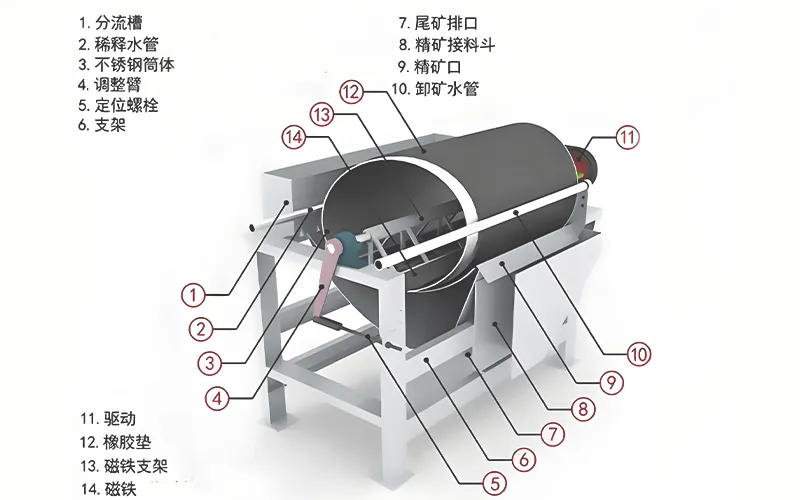
Centrifugal Concentrator: Machines such as Knelson or Falcon concentrators spin at high speeds to generate 60G to 100G of centrifugal force, amplifying the density difference between gold and gangue.
Critical Consideration: Fluidization water quality is paramount. Contaminated water clogs fluidization holes, causing bed compaction and a complete loss of recovery. Process water must always be filtered.
4.3 Cleaning and Final Recovery: Shaking Tables
After producing a high-grade concentrate from jigs or centrifuges, a final cleaning step is required to upgrade the material to smeltable quality.
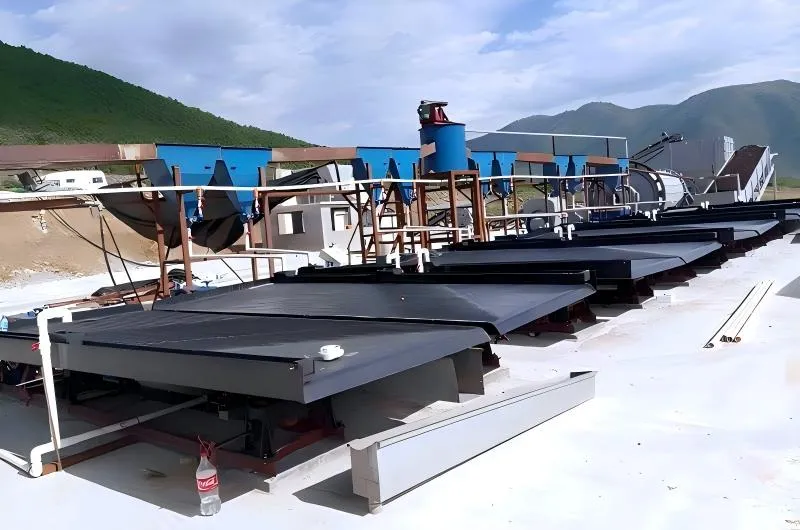
Shaking Table: Models such as Gemini or 6S tables offer the highest enrichment ratios. Visible separation bands form during operation, allowing for the separation of free gold from sulfides and magnetite. While low-capacity, shaking tables provide exceptional precision.
4.4 Summary of Equipment Selection by Particle Size
Particle Size
Recommended Equipment
Primary Force
Water Consumption
> 2mm (Nuggets)
Jig / Sluice / Metal Detector
Gravity (1G)
High
100µm – 2mm
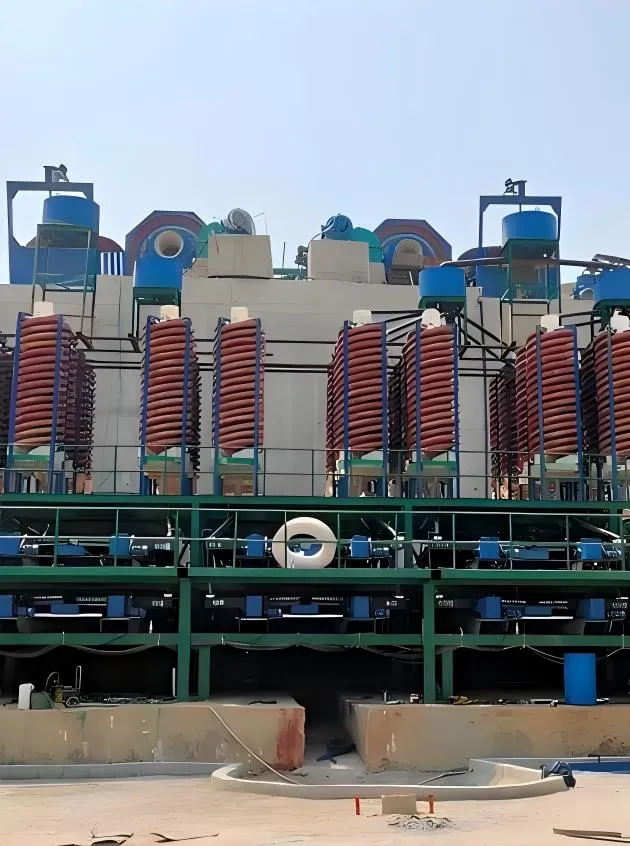
Jig / Spiral Chute
Gravity + Flow
Medium
20µm – 100µm
Centrifugal Concentrator
Centrifugal (60G+)
Low (requires pressure)
< 20µm
Flotation / CIL (Chemical)
Surface Chemistry
High
5. Flowsheet Optimization: Integrating Process Stages
Flowsheet design is not merely about selecting equipment; it involves balancing process loads to maximize efficiency and recovery.
5.1 Placer Gold Flowsheet Recommendation
Feed Preparation: Hopper + feeder to regulate material input.
Washing: Trommel scrubber to remove clay and liberate gold.
Sizing: Vibrating screen to remove +20mm waste gravel.
Roughing: Jigging separator to recover approximately 90% of gold.
Scavenging: Sluice box to capture gold particles in jig tailings surges.
Cleaning: Shaking table to upgrade jig concentrate to >50% gold content.
Grinding: Ball mill in closed circuit with hydrocyclones (ensures consistent particle size).
Gravity Circuit (Kidney Loop): Screen cyclone underflow (removes >2mm particles) → Centrifugal concentrator → Tailings recirculated back to the mill.
Intensive Leach: Centrifuge concentrate is sent to an Acacia Reactor or shaking table for further purification.
Main Circuit: Cyclone overflow is directed to a gold CIL (Carbon-in-Leach) plant or flotation circuit.
6. Frequently Asked Questions (FAQs)
Q1: Is gravity concentration a chemical-free process?
Yes. Gravity concentration relies solely on physical forces (gravity, centrifugal force) and water. It does not require cyanide, mercury, or flotation reagents, rendering it an environmentally sustainable and compliant method.
Q2: Why is classification critical prior to gravity separation?
Gravity separation efficiency declines significantly when the particle size range is too broad. Large particles create turbulence that hinders the settling of fine heavy particles. Screening or hydraulic classification narrows the particle size distribution, enhancing the performance of jigs and shaking tables.
Q3: How do centrifugal concentrators recover fine gold?
Centrifugal concentrators spin at high velocities to generate centrifugal force (up to 60–100 times gravitational force). This amplified force enhances the density difference between fine gold and gangue, enabling gold particles to settle against the concentrator bowl wall—even at micron-scale sizes.
Q4: What is the purpose of a shaking table?
Shaking tables serve as the final cleaning stage. They process concentrates from larger equipment (e.g., sluices, centrifuges) and separate them into a high-grade final product. Operation typically produces a visible band of pure gold, which is ready for melting and refining.