


Dredge Rubber Hose
¥1,000.00
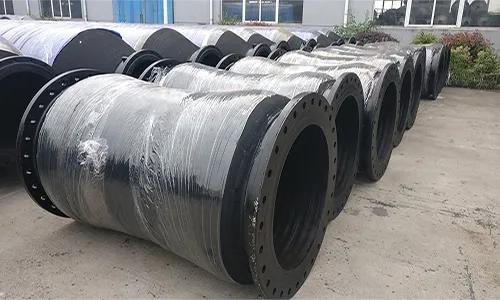
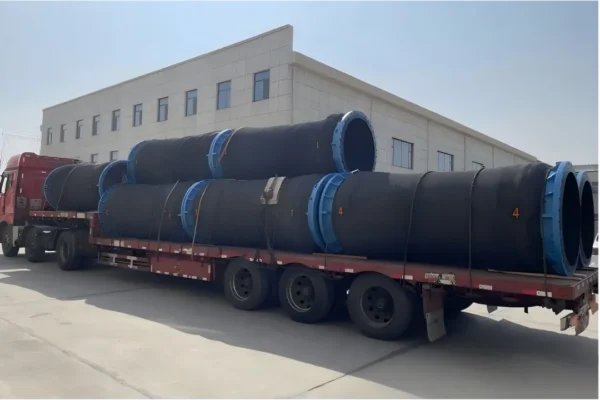
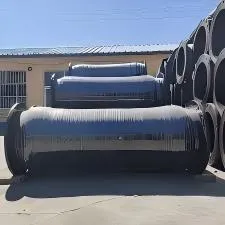
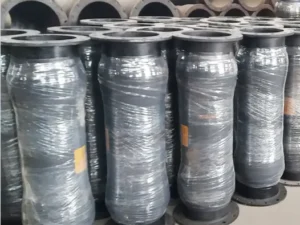
Dredging rubber hoses (also known as suction and discharge rubber hoses) are key flexible connectors in hydraulic dredging projects. They are primarily used to transport solid-liquid mixtures containing solid particles such as sand, gravel, and coral. They are compatible with dredgers and pipeline systems and possess core characteristics such as high wear resistance, pressure and vacuum resistance, and aging resistance.
Core Definitions and Application Scenarios
Basic Definition
A flexible rubber hose designed for conveying slurries, gravel, and water mixtures with a relative density of 1.0–2.3. It is applicable to environments with temperatures ranging from -20℃ to +40℃, and suitable for both seawater and freshwater conditions.
Main Uses
- Port and waterway dredging, land reclamation, river dredging
- Mine tailings transportation, municipal sewage treatment projects
- Flexible connection between rigid pipes, for absorbing vibration and offsetting displacement
Core Value
Ensures continuous operation of the dredging system, mitigates the impact of hull shaking and water flow, and extends the service life of the pipeline system
Structural Composition (Three-Layer Composite Design)
Inner Layer
Wear-resistant rubber (natural rubber/nitrile rubber/chloroprene rubber) or UPE lining. It features excellent abrasion and impact resistance, and reduces conveying resistance.
Reinforcement Layer
Multi-layer polyester fabric combined with spiral steel wire/steel strip. It provides compressive, negative pressure, and tensile strength, preventing hose collapse or bursting.
Outer Layer
Weather-resistant and anti-aging rubber. It resists seawater corrosion, UV radiation, and mechanical damage.
Connection Structure
Flange type (national standard/American standard/Japanese standard) or clamp type, enabling quick connection and disassembly.
Key Technical Parameters
| Parameter Category | Specifications |
|---|---|
| Diameter Range | 100mm–900mm (standard); larger diameters available via customization |
| Working Pressure | Dredging type: 0.6MPa–2.5MPa; Suction type: vacuum resistance ≥ 0.09MPa |
| Temperature Resistance | Standard: -20℃ to +40℃; Special formulation: -30℃ to +80℃ |
| Length Specifications | 1m–6m (standard); customizable according to project requirements |
| Wear Resistance | Inner layer wear volume ≤ 0.15cm³ (tested by Akron abrasion method) |
Selection and Maintenance Points
Selection Principles
- Select inner lining material based on medium particle size: ordinary rubber for small particles; UPE or armored rubber for large particles.
- Select reinforcement layer based on working pressure: multi-layer steel wire reinforcement for high-pressure scenarios.
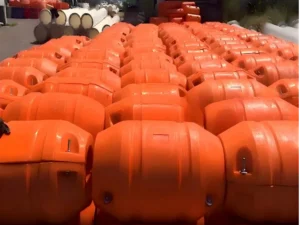
- Select hose type based on working conditions: floating type for water applications; suction type for suction inlet systems.
Maintenance Suggestions
- Avoid direct sunlight exposure; store in a cool and dark place for long-term storage.
- Regularly inspect the inner rubber layer for wear and the reinforcement layer for damage; replace the hose immediately if cracks are detected.
- Clean residual media inside the hose after use to prevent solidification and blockage.
- Avoid excessive bending or twisting of the hose to protect the integrity of the reinforcement layer structure.
Reviews
There are no reviews yet.